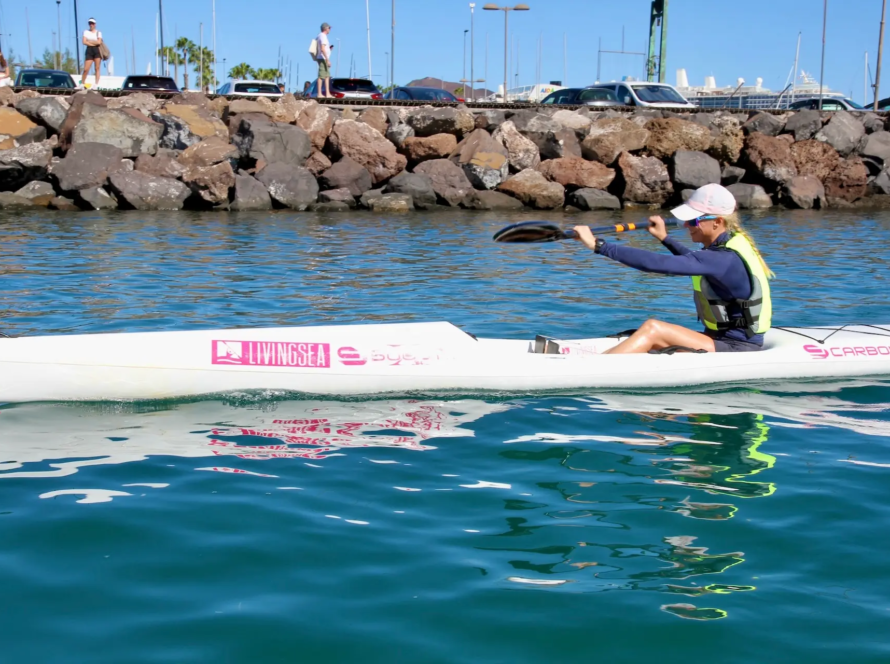
Throughout the season we face several downwind competitions which test us physically and mentally.
To face them in the best condition, it is important that we make a special plan, because we are not talking about a regattas of less than 10 kilometers with a single course trip where you know what you are going to find.
To help you face a downwind competition with more confidence, here are a few tips to help you prepare your bag and your head.
1. Check your equipment
Some years ago one of our paddlers from Gran Canaria had a broken rudder cable just at the start of the Spanish Championship. After returning to the pontoon (the start was from the water) and changing the canoe, she decided to compete and completed her regatta about seven minutes later.
Since then we have become much stricter and we involve all the team, checking thoroughly that each surfski is in perfect condition: the pedal ropes are not rusted, the rudder cables are not about to break, the paddle system is fine and will not twist in the middle of the regatta and that the life jacket, hydration bag and leash are in good condition. Also check every screw because they tend to loosen from the vibrations of the trailer.
Regarding the hydration bag or camelbak, keep in mind that it is important to train with it before competing, even though it may seem silly, as you have to get used to drinking from it while paddling.
2. Set your own competition plan
Having your regatta plan will help you have more control over the different aspects of the competition and also help you reduce anxiety and stress.
In long races of more than 20 kilometers, it is essential to stay focused for as long as possible. In fact, I think this is one of the factors that can make the difference. The ideal would be to divide the route into several blocks or sections and always focus on each one of them.
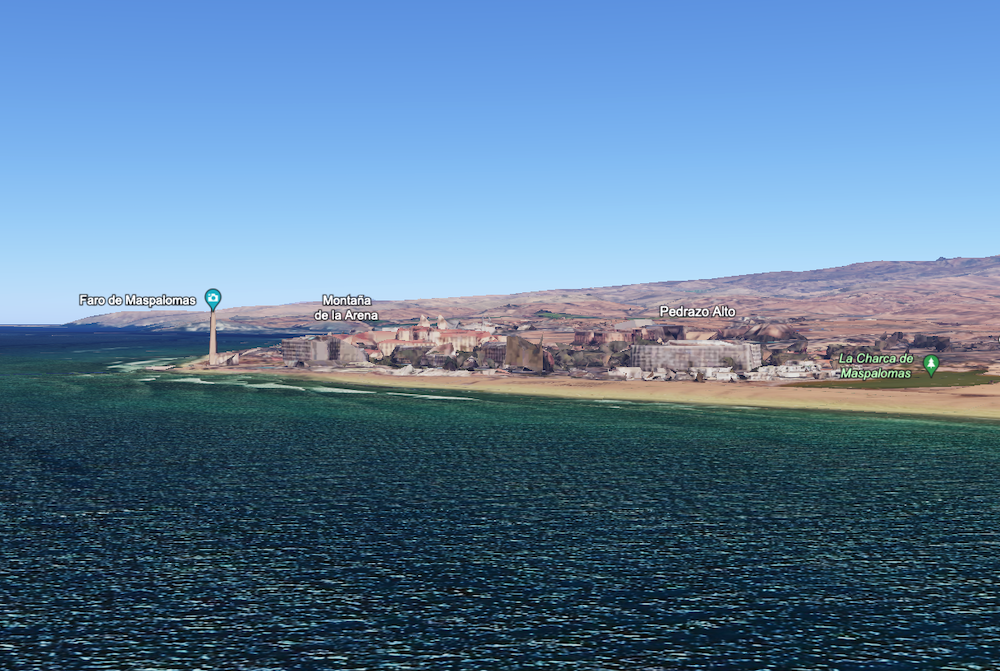
It is important that before the competition you are very clear about where you are going, that you set reference points along the route and that you know how many kilometers separate each one of them. Open Google Maps and study the coastline, measure the distance between each point to be able to balance your strength. Extra tip: on Google Earth you can see the outline of the coastline in 3D, which is closer to the view you will have from your surfski.
GPS is essential for these competitions, especially for those moments when you lose the reference of your rivals and you are far away from a group. The GPS will help you maintain that high or average speed that you think you should have at all times. Just charge the battery the night before!
3. Hydrate and eat
Because you cannot do more than 20 kilometers with what you got. you will need to keep the energy you spend, so make sure you have something you can put in your camelbak or hydration pack (so you don’t have to stop). We use Vitargo as it has plenty of carbs that are really well absorbed without digesting it. Caffeinated gels will help you for your last part of your regatta or when you’re lacking that energy boost.
Even if you have filled up with carbs in the days before the race, it is recommended to take some bars or gels before the regatta. About 40 minutes before the start you can take a gel to make sure your energy storage is well charged.
4.Safe and sound
Even if the event organization is going to help you if you have any problem, it is best to be able to manage on your own.
You should always carry your phone, charged, full brightness and know how to use it in the open sea in case you have to make a call in heavy conditions.
Do not forget your whistle, leash (attached to the boat) and the organization track.
If you have not done it yet, i recommend you to read this post where you will find the checklist of the safety elements that you should carry on your downwind.
5. Post-race
Sometimes our main focus is on pre-race and not that much on post-race, but taking care of your recovery is very important for your performance. Every meal you eat after the race should have carbs to try to regain everything you burned during the race.
Hydrate well and rest because you will probably be competing in doubles the next day, and the better you recover, the better you will feel.
In conclusion, leave nothing to chance on race day. prepare thoroughly and take care of every detail before, during and after the regatta. your body and your mind will thank you for it.